Understanding your AMH levels by age is one of the most practical steps you can take when evaluating fertility. Anti-Müllerian Hormone (AMH) is a simple blood test that estimates your ovarian reserve, the approximate number of eggs remaining in your ovaries. If you already have your results, the real question becomes what those numbers mean for your future.
This post covers AMH reference ranges by age group, explains what high and low results indicate, and shows how your numbers connect to real fertility decisions, such as egg freezing and IVF. Open Fertility includes AMH testing in every initial consultation as a starting point for treatment planning.
What AMH Measures and Why It Matters for Fertility
Anti-Müllerian Hormone is a protein produced by the small antral follicles inside your ovaries. Each follicle holds an immature egg, so AMH serves as a proxy for egg quantity. The higher the AMH level, the more follicles are present. The lower the level, the fewer eggs remain.
Key facts about AMH testing:
- Measured through a simple blood draw and reported in nanograms per milliliter (ng/mL). Results are typically available within a few days.
- Stable throughout your menstrual cycle. Unlike Follicle-Stimulating Hormone (FSH) or estradiol, AMH does not fluctuate with cycle timing. That means testing can happen on any day without worrying about scheduling around your period.
- Reflects egg quantity, not quality. Many patients worry that a low AMH result means pregnancy is off the table. That fear is understandable but inaccurate. AMH says nothing about egg quality or your ability to conceive in a given cycle.
Plenty of individuals with low AMH conceive naturally or with fertility treatment. Your AMH number is a planning tool and should be treated as one piece of a much larger picture.
AMH Levels by Age: What the Ranges Look Like
AMH levels decline naturally with age, and the rate of decline varies from person to person. The table below shows general reference ranges by age group. These numbers represent population averages and work best when interpreted alongside your full fertility panel.
|
Age Range |
Typical AMH (ng/mL) |
General Interpretation |
|
Under 25 |
3.0 – 7.0+ |
Strong ovarian reserve |
|
25–29 |
2.5 – 5.0 |
Strong ovarian reserve |
|
30–34 |
1.5 – 4.0 |
Healthy reserve for age |
|
35–37 |
1.0 – 3.0 |
Expected range with gradual decline |
|
38–40 |
0.5 – 2.0 |
Lower reserve, may affect treatment options |
|
41–43 |
0.3 – 1.0 |
Diminished reserve likely |
|
44+ |
Below 0.5 |
Significantly diminished reserve |
Lab reference ranges differ between testing facilities, so your results may use slightly different thresholds. AMH can fluctuate modestly from month to month as well. Hormonal birth control taken over a long period can temporarily suppress AMH readings, which sometimes leads to a falsely low result. If you tested shortly after stopping birth control, your provider may recommend retesting after a few months.
Individuals in the same age group can have very different AMH levels. Two 34-year-olds might have results of 1.2 ng/mL and 3.8 ng/mL, both of which would fall within the expected range. That is why AMH works best as part of a complete assessment rather than as a standalone number.
What High, Normal, and Low AMH Results Mean
Your AMH result falls into one of several general categories. Each range carries different implications for fertility planning and treatment response.
High AMH (Above 3.0 ng/mL)
High AMH typically signals a large number of remaining follicles and a substantial ovarian reserve. For patients considering egg freezing or IVF, this often translates to a greater expected egg yield during ovarian stimulation.
Very high AMH (above 5.0–6.0 ng/mL) can sometimes point toward Polycystic Ovary Syndrome (PCOS). PCOS involves an excess of small follicles that produce AMH, which can inflate the AMH reading. If your AMH is well above the expected range for your age, your provider may evaluate for PCOS through additional testing. Patients with very high AMH may need lower medication doses during stimulation to reduce the risk of ovarian hyperstimulation syndrome (OHSS).
Normal AMH (1.0–3.0 ng/mL)
Normal AMH indicates that your ovarian reserve falls within the expected range for your reproductive years. Patients in this range typically respond well to ovarian stimulation medications, and treatment protocols tend to follow standard dosing. The expected number of retrieved eggs usually aligns with age-based averages.
Low AMH (Below 1.0 ng/mL)
Low AMH suggests diminished ovarian reserve (DOR), meaning fewer eggs remain than expected for your age. During an IVF or egg freezing cycle, patients with low AMH may produce fewer eggs per retrieval. Providers often adjust medication protocols to maximize response.
Diminished ovarian reserve is the clinical term used when AMH, antral follicle count (AFC), and, sometimes, FSH results indicate a reduced egg supply. It does not mean pregnancy is impossible. The remaining eggs may still be healthy, and many patients with DOR go on to conceive with treatment or naturally. Your provider can help determine the right approach based on your full results and personal goals.
Three Things AMH Cannot Tell You
AMH is a valuable fertility biomarker, but it has clear limits.
- Egg quality. The test indicates how many eggs remain and says nothing about their health. Egg quality depends primarily on age, and patients with lower AMH paired with good egg quality can still have successful pregnancies.
- Natural conception. Many patients with low AMH conceive without any treatment at all. The hormone predicts how the ovaries might respond to stimulation medications during IVF or egg freezing. It does not predict whether a specific egg will fertilize, implant, and develop during a natural cycle.
- A fertility expiration date. The test does not reveal when menopause will arrive or when fertility will decline sharply. It captures a snapshot of your current reserve. Tracking results over time can reveal trends, but no single number can project an exact timeline for any individual.
Patients sometimes ask whether supplements or lifestyle changes can raise AMH levels. DHEA and CoQ10 have been studied in the context of fertility treatment, and results remain mixed.
AMH reflects the remaining follicle pool, which shrinks naturally with age. No supplement or lifestyle change can create new eggs. The most productive next step for patients concerned about low AMH is a consultation with a fertility specialist.
How AMH Fits Into the Bigger Picture of Fertility Testing
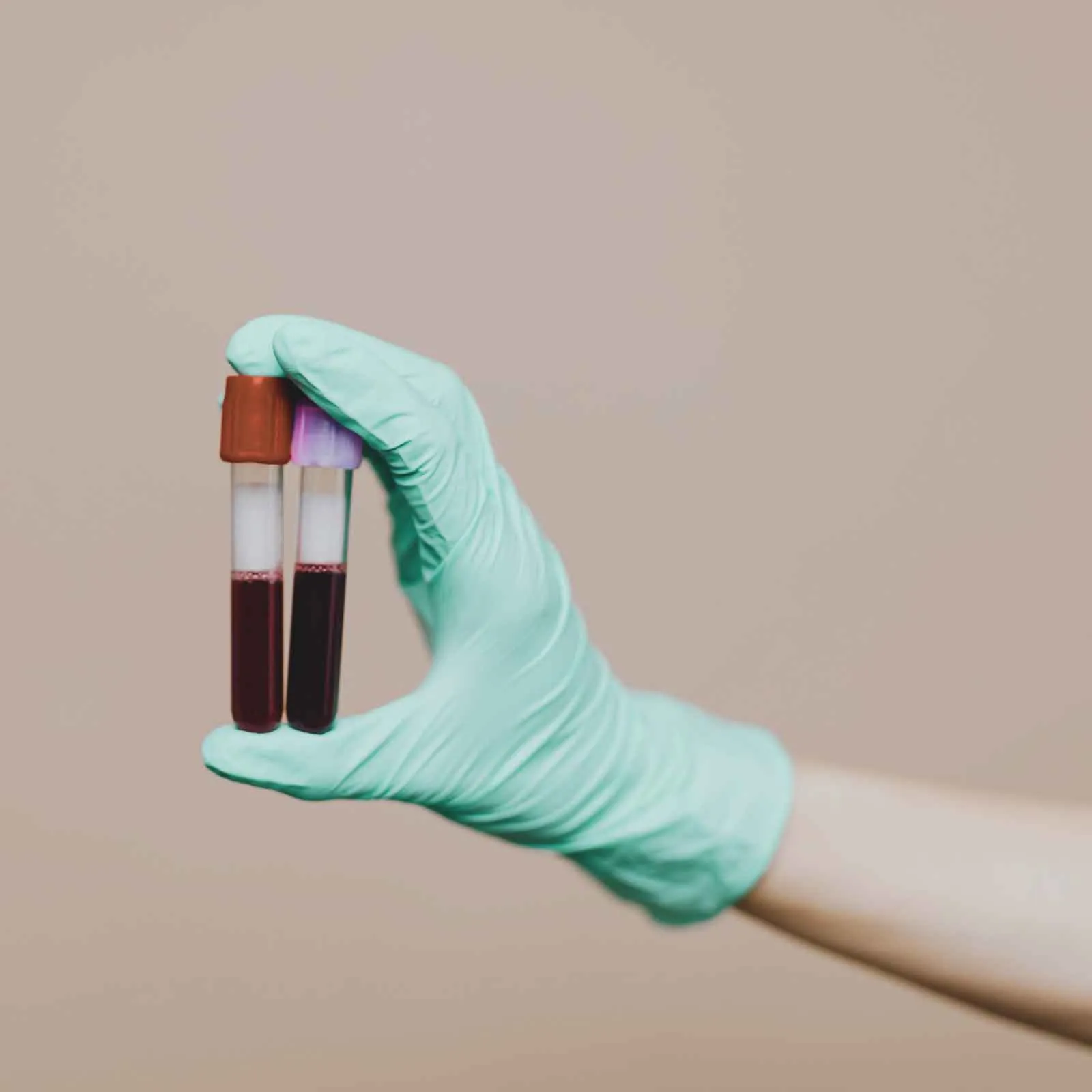
AMH measures one piece of your fertility profile. It estimates the number of eggs remaining in your ovaries at the time of the blood draw. That number gives you and your provider a snapshot of ovarian reserve, but it does not tell the full story on its own.
Fertility specialists look at AMH alongside other markers before discussing next steps. Your antral follicle count (AFC), gathered through a transvaginal ultrasound, shows how many follicles are developing in a given cycle. Your age adds another layer of context, since egg quality shifts over time in ways that AMH cannot measure. Your personal family-building goals shape the conversation too.
A lower AMH result does not mean fertility treatment is less effective or off the table. It means you have one more data point to bring into a conversation with your care team. A result within the expected range for your age does not mean action is unnecessary, either. Some patients with strong AMH results still choose to move forward with egg freezing or IVF based on their timeline and goals.
The most useful way to think about AMH is as a starting point for a broader discussion, not as a single number that dictates a treatment plan.
Other Tests That Build on Your AMH Results
AMH gives you one number. Building the whole picture requires additional testing.
- Antral Follicle Count (AFC) is an ultrasound-based measurement that counts the small, visible follicles in both ovaries. AFC and AMH often correlate, but they can sometimes tell different stories. If AMH is low and AFC is normal, your provider may interpret the results differently than if both markers are low.
Together, these tests create a much clearer picture than any single result. Your provider at Open Fertility reviews all of these during the initial consultation. Learn more about how testing fits into treatment planning through our care model.
How Open Fertility Can Help You Understand Your AMH Results
AMH testing is part of every initial consultation at Open Fertility. Your provider draws blood on-site, though bloodwork is processed and billed by an outside lab directly to you or your insurance. Open Fertility will not collect payment for bloodwork. Results are reviewed alongside your AFC and hormone panel, and your provider explains exactly what those numbers mean for your specific goals. If egg freezing, IVF, or fertility preservation makes sense based on your results, your care team will walk you through the next steps at that same visit.
Open Fertility offers fertility care at a fraction of the cost of traditional clinics. IVF cycles start at $9,174, and egg freezing cycles begin at $5,074. Full pricing details are listed online so you can review costs before your first appointment. There are no surprise fees and no hidden add-ons.
Open Fertility was established by the world-class fertility team at Spring Fertility to bring that same level of care closer to home and at a lower cost. Clinics are open in Roseville, CA, and Astoria, NY. Your AMH result is the starting point for a plan that fits both your timeline and budget. Schedule a consultation with Open Fertility to learn what your numbers mean.